Items filtered by date: December 2025
Pain in the Ball of the Foot May Be Sesamoiditis

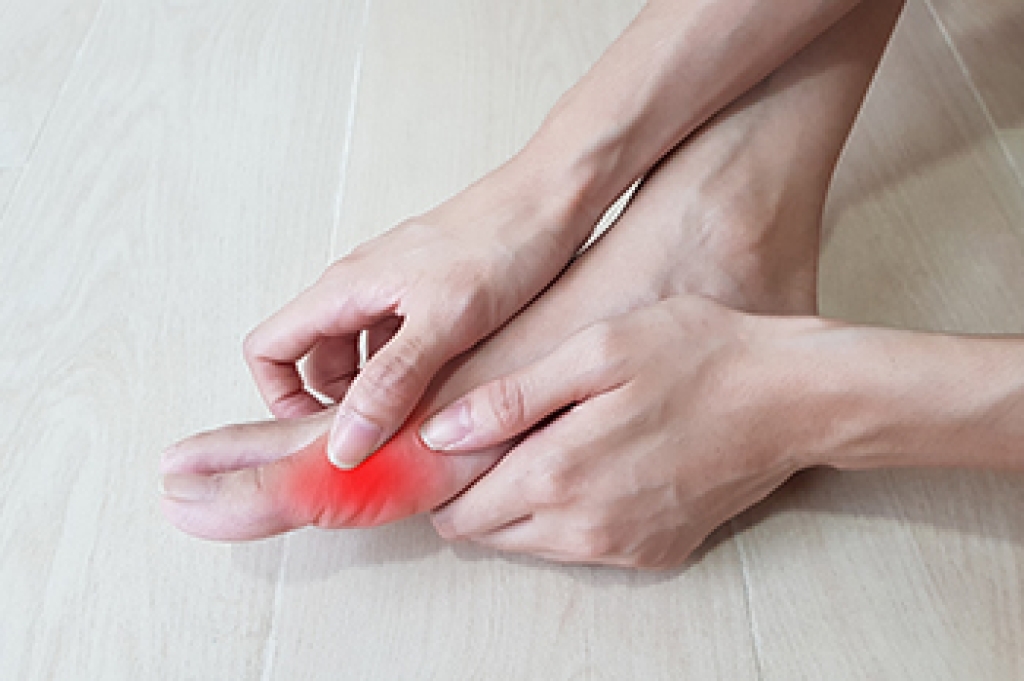
Sesamoiditis affects the small sesamoid bones located beneath the big toe joint near the ball of the foot. It occurs when these bones become inflamed, often due to repetitive pressure or overuse, making it a common concern for runners and athletes who place repeated stress on the forefoot. Symptoms include pain under the big toe, swelling, tenderness when walking or running, and difficulty bearing weight on the affected foot. Causes can include high-impact activities, wearing improper footwear, flat feet, or increased training intensity. A podiatrist can evaluate the foot, provide custom orthotics, recommend activity modifications, and implement therapies such as padding, taping, or targeted exercises to reduce stress on the sesamoid bones. If you have pain in this part of your foot, it is suggested you consult a podiatrist who can accurately diagnose and treat what may be going on.
Sesamoiditis is an unpleasant foot condition characterized by pain in the balls of the feet. If you think you’re struggling with sesamoiditis, contact Lesly Honore, MD, DPM of New York. Our doctor will treat your condition thoroughly and effectively.
Sesamoiditis
Sesamoiditis is a condition of the foot that affects the ball of the foot. It is more common in younger people than it is in older people. It can also occur with people who have begun a new exercise program, since their bodies are adjusting to the new physical regimen. Pain may also be caused by the inflammation of tendons surrounding the bones. It is important to seek treatment in its early stages because if you ignore the pain, this condition can lead to more serious problems such as severe irritation and bone fractures.
Causes of Sesamoiditis
- Sudden increase in activity
- Increase in physically strenuous movement without a proper warm up or build up
- Foot structure: those who have smaller, bonier feet or those with a high arch may be more susceptible
Treatment for sesamoiditis is non-invasive and simple. Doctors may recommend a strict rest period where the patient forgoes most physical activity. This will help give the patient time to heal their feet through limited activity. For serious cases, it is best to speak with your doctor to determine a treatment option that will help your specific needs.
If you have any questions, please feel free to contact our office located in Hempstead, NY . We offer the newest diagnostic and treatment technologies for all your foot care needs.

When Repetitive Stress Leads to Tiny Foot Fractures

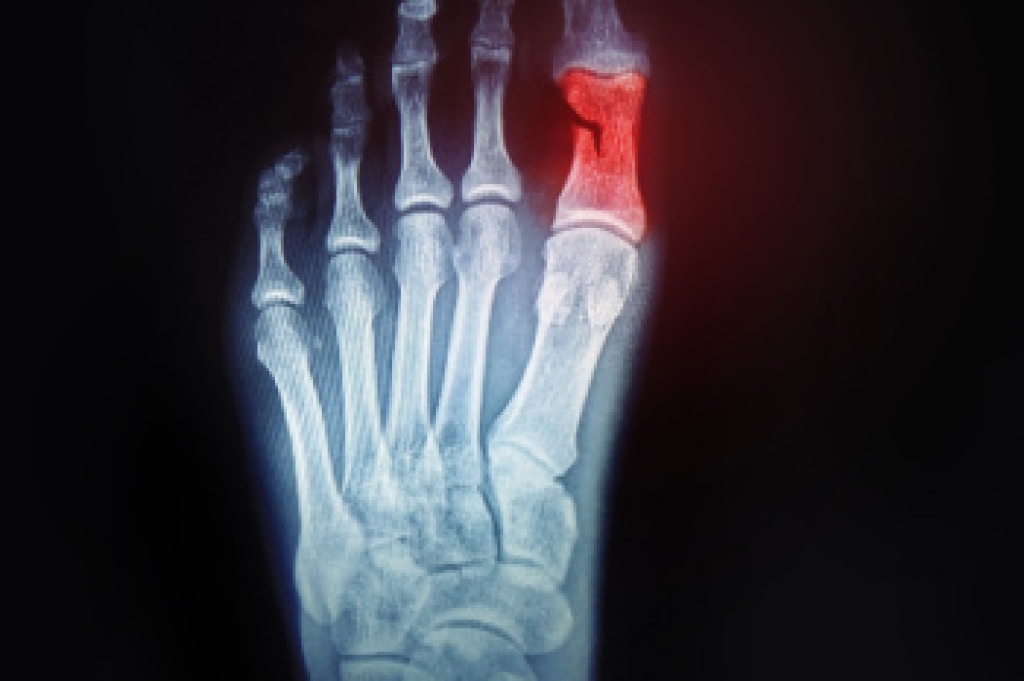
Stress fractures are small cracks in a bone that form when repeated pressure outweighs the body’s ability to recover. These injuries often appear in people who increase activity too quickly, spend long hours on hard surfaces, or wear footwear that does not provide enough support. Early signs include a pinpoint ache that becomes sharper during walking or running, and eases with rest. Swelling or mild bruising may develop, and the discomfort usually returns the moment activity resumes. Although the fracture is small, leaving it untreated can lead to a complete break or long-lasting pain. Reducing impact, resting the foot, and adjusting footwear are important first steps toward healing. If you notice persistent pain in one spot on the foot or discomfort that worsens with activity, it is suggested that you schedule an appointment with a podiatrist for a proper evaluation and appropriate treatment.
Stress fractures occur when there is a tiny crack within a bone. To learn more, contact Lesly Honore, MD, DPM from New York. Our doctor can provide the care you need to keep you pain free and on your feet.
How Are They Caused?
Stress fractures are the result of repetitive force being placed on the bone. Since the lower leg and feet often carry most of the body’s weight, stress fractures are likely to occur in these areas. If you rush into a new exercise, you are more likely to develop a stress fracture since you are starting too much, too soon. Pain resulting from stress fractures may go unnoticed at first, however it may start to worsen over time.
Risk Factors
- Gender – They are more commonly found in women compared to men.
- Foot Problems – People with unusual arches in their feet are more likely to develop stress fractures.
- Certain Sports – Dancers, gymnasts, tennis players, runners, and basketball players are more likely to develop stress fractures.
- Lack of Nutrients – A lack of vitamin D and calcium may weaken the bones and make you more prone to stress fractures
- Weak Bones – Osteoporosis can weaken the bones therefore resulting in stress fractures
Stress fractures do not always heal properly, so it is important that you seek help from a podiatrist if you suspect you may have one. Ignoring your stress fracture may cause it to worsen, and you may develop chronic pain as well as additional fractures.
If you have any questions please contact our office located in Hempstead, NY . We offer the newest diagnostic and treatment technologies for all your foot and ankle needs.
The Strain That Long Hours on Your Feet Can Create

Spending most of the day standing can place steady pressure on the feet, ankles, and lower legs. Over time, this constant load may lead to aching arches, heel discomfort, swelling, or tight calf muscles. Some individuals also develop calluses, changes in posture, or fatigue that spreads into the knees or lower back. Hard floors, wearing unsupportive shoes, and limited opportunities to rest add to the strain and make recovery slower. Small changes such as choosing footwear with cushioning, taking brief seated breaks, and stretching during the day can help reduce stress on the feet. Paying attention to early signs of discomfort allows you to address concerns before they interfere with work or daily routines. If soreness becomes persistent or affects your movement, it is suggested that you schedule an appointment with a podiatrist for personalized care.
While working on the feet, it is important to take the proper care of them. For more information about working on your feet, contact Lesly Honore, MD, DPM from New York. Our doctor will treat your foot and ankle needs.
Working on Your Feet
Standing on your feet for long periods of time can cause stress and pain in your feet. Your whole body may experience change in terms of posture, back pain, bunions, callouses and or plantar warts. There are ways to avoid these conditions with proper foot care, smart choices and correct posture.
Positive Changes
Negative heeled shoe – Choosing this shoe type places the heel slightly lower than the ball of the foot. These are great for overall foot health. Find shoes that fit you correctly.
Go barefoot – Our feet were not designed to be enclosed for all hours of the day. Try to periodically expose your feet to air.
Eliminate Pain
Foot Exercises – Performing simple exercises, incorporating yoga and doing stretches are beneficial. This will allow increased blood flow to the area and muscles of the foot.
Achilles tendon – Stretching the foot out flat on the floor will relax the calf muscles and tendon. These exercises can be performed almost anywhere. Make sure you add these exercises to your daily regimen.
With a little bit of this information and knowing more about foot health, you will notice changes. Foot stretches and proper footwear will help with pain and prevent further issues.
If you have any questions please contact our office located in Hempstead, NY . We offer the newest diagnostic and treatment technologies for all your foot and ankle needs.
What Is Proprioception and Why Is It Important?

Proprioception is the body’s ability to sense movement and position, allowing the feet and ankles to adjust instantly to changes in terrain. Proprioception plays a key role in balance, coordination, and injury prevention. Nerve endings in the feet, tendons, and joints send signals to the brain that help control movement and stability, especially when walking or running on uneven ground. When proprioception is impaired by injury, aging, or disease, it can affect balance and agility, raising the risk of sprains or falls. Exercises that improve proprioception, such as balancing on one leg or standing on uneven surfaces, can help strengthen the muscles of the feet and enhance stability. A podiatrist can evaluate proprioceptive function and recommend strengthening routines to help restore control and balance. If you are experiencing balance or stability problems, it is suggested that you make an appointment with a podiatrist for a diagnosis and treatment.
If you have any concerns about your feet, contact Lesly Honore, MD, DPM from New York. Our doctor can provide the care you need to keep you pain-free and on your feet.
Biomechanics in Podiatry
Podiatric biomechanics is a particular sector of specialty podiatry with licensed practitioners who are trained to diagnose and treat conditions affecting the foot, ankle and lower leg. Biomechanics deals with the forces that act against the body, causing an interference with the biological structures. It focuses on the movement of the ankle, the foot and the forces that interact with them.
A History of Biomechanics
- Biomechanics dates back to the BC era in Egypt where evidence of professional foot care has been recorded.
- In 1974, biomechanics gained a higher profile from the studies of Merton Root, who claimed that by changing or controlling the forces between the ankle and the foot, corrections or conditions could be implemented to gain strength and coordination in the area.
Modern technological improvements are based on past theories and therapeutic processes that provide a better understanding of podiatric concepts for biomechanics. Computers can provide accurate information about the forces and patterns of the feet and lower legs.
Understanding biomechanics of the feet can help improve and eliminate pain, stopping further stress to the foot.
If you have any questions please feel free to contact our office located in Hempstead, NY . We offer the newest diagnostic and treatment technologies for all your foot and ankle needs.
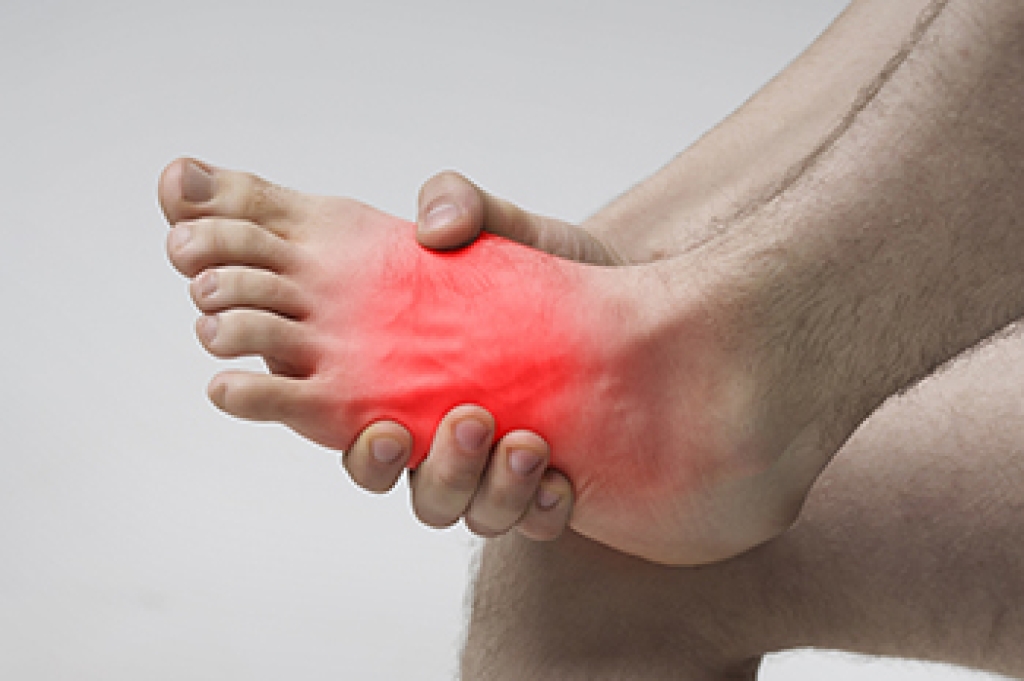
Do You Suffer From Painful Feet?
Definition of Toenail Fungus

Onychomycosis is a fungal infection that affects the toenails, causing them to become thickened, discolored, brittle, and sometimes painful. It is often caused by fungi that thrive in warm, moist environments such as shoes, locker rooms, and public showers. Risk factors include excessive sweating, poor foot hygiene, or a weakened immune system. Symptoms include yellow or white streaks on the nail, foul odor, or nail separation from the nail bed. A podiatrist can diagnose the infection through examination and testing, then recommend antifungal medications, laser therapy, or nail debridement. If you notice changes in your toenails, it is suggested that you schedule an appointment with a podiatrist who can provide appropriate treatment for toenail fungus.
If left untreated, toenail fungus may spread to other toenails, skin, or even fingernails. If you suspect you have toenail fungus it is important to seek treatment right away. For more information about treatment, contact Lesly Honore, MD, DPM of New York. Our doctor can provide the care you need to keep you pain-free and on your feet.
Symptoms
- Warped or oddly shaped nails
- Yellowish nails
- Loose/separated nail
- Buildup of bits and pieces of nail fragments under the nail
- Brittle, broken, thickened nail
Treatment
If self-care strategies and over-the-counter medications does not help your fungus, your podiatrist may give you a prescription drug instead. Even if you find relief from your toenail fungus symptoms, you may experience a repeat infection in the future.
Prevention
In order to prevent getting toenail fungus in the future, you should always make sure to wash your feet with soap and water. After washing, it is important to dry your feet thoroughly especially in between the toes. When trimming your toenails, be sure to trim straight across instead of in a rounded shape. It is crucial not to cover up discolored nails with nail polish because that will prevent your nail from being able to “breathe”.
In some cases, surgical procedure may be needed to remove the toenail fungus. Consult with your podiatrist about the best treatment options for your case of toenail fungus.
If you have any questions please contact our office located in Hempstead, NY . We offer the newest diagnostic and treatment technologies for all your foot and ankle needs.