Please call for availability of our Walk In clinic open Mon-10:00-5:00, Wednesday and Friday-1:00-7:00.

Gout Flares and Big Toe Pain

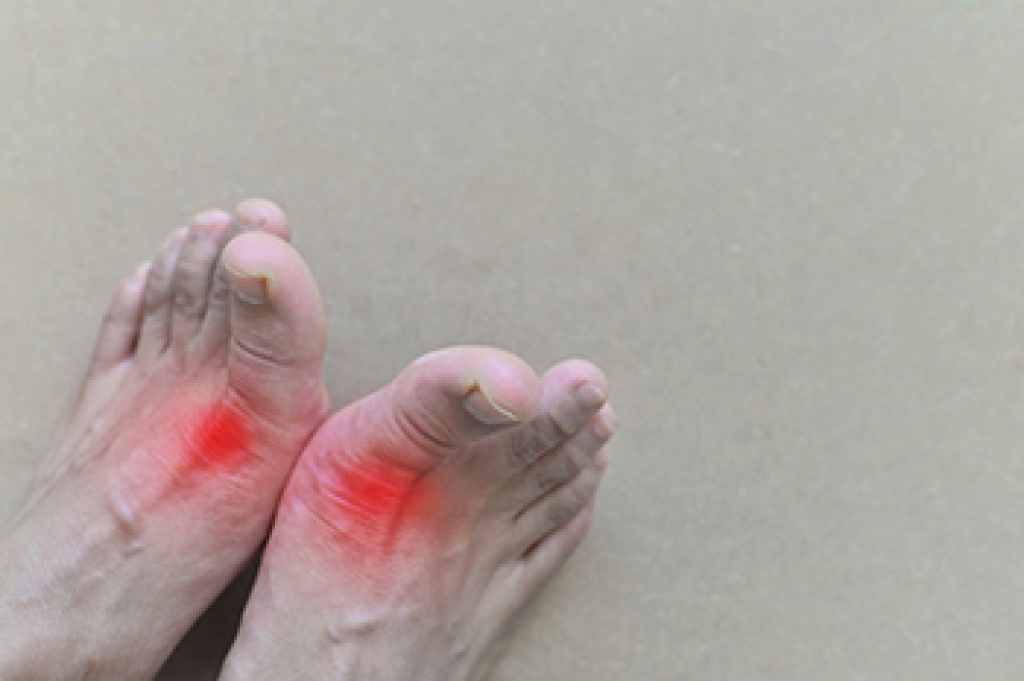
Sudden pain in the big toe can turn a routine step into an uncomfortable challenge. Gout is a painful type of arthritis that usually affects one joint at a time, often at the base of the big toe. It develops when excess uric acid, a waste product in the blood, forms sharp crystals in a joint. These crystals trigger inflammation that causes intense pain and swelling. Without treatment, repeated attacks and persistent crystal deposits damage joints and nearby bone. A podiatrist helps identify the problem and develops a treatment plan to relieve symptoms and protect foot function.

Episodes of worsening symptoms are called flares. They sometimes begin overnight, with pain severe enough to make even light pressure from a bedsheet uncomfortable. The affected joint often looks red and feels warm. Symptoms last for days or weeks, followed by periods without noticeable discomfort. However, the absence of pain does not always mean that crystal deposits have disappeared. Untreated gout sometimes leads to tophi, which are firm lumps of uric acid crystals beneath the skin. These deposits interfere with joint movement and make wearing shoes uncomfortable. Increasingly frequent flares warrant an evaluation, even when earlier episodes have resolved without treatment.

Several factors increase the likelihood of developing gout. Family history and reduced kidney function affect how the body handles uric acid. Excess body weight also raises the risk. Certain medicines and health conditions, including high blood pressure, contribute to elevated uric acid levels. However, a high uric acid level alone does not establish a gout diagnosis. A podiatrist reviews the patient's medical history and examines the painful joint. Blood tests help assess uric acid levels, while a sample of joint fluid reveals whether crystals are present. Imaging helps to assess joint damage or clarify an uncertain diagnosis. An examination also helps distinguish gout from an infection or injury.

Podiatric treatment addresses pain during a flare and the risk of future attacks. A podiatrist prescribes appropriate treatment to reduce inflammation and coordinates care with other physicians to manage uric acid levels. Follow-up visits allow the podiatrist to assess joint movement and monitor tophi. Persistent deposits sometimes require additional treatment when they damage tissue or interfere with walking. Fever with a hot, swollen joint requires prompt medical assessment because infection causes similar symptoms. If you have symptoms of gout that are affecting the feet, it is suggested that you schedule an appointment with a podiatrist for a diagnosis and appropriate treatment.

Gout is a foot condition that requires certain treatment and care. If you are seeking treatment, contact Lesly Honore, MD, DPM from New York. Our doctor will treat your foot and ankle needs.

What Is Gout?

Gout is a type of arthritis caused by a buildup of uric acid in the bloodstream. It often develops in the foot, especially the big toe area, although it can manifest in other parts of the body as well. Gout can make walking and standing very painful and is especially common in diabetics and the obese.

People typically get gout because of a poor diet. Genetic predisposition is also a factor. The children of parents who have had gout frequently have a chance of developing it themselves.

Gout can easily be identified by redness and inflammation of the big toe and the surrounding areas of the foot. Other symptoms include extreme fatigue, joint pain, and running high fevers. Sometimes corticosteroid drugs can be prescribed to treat gout, but the best way to combat this disease is to get more exercise and eat a better diet.

If you have any questions, please feel free to contact our office located in Hempstead, NY . We offer the newest diagnostic and treatment technologies for all your foot care needs.

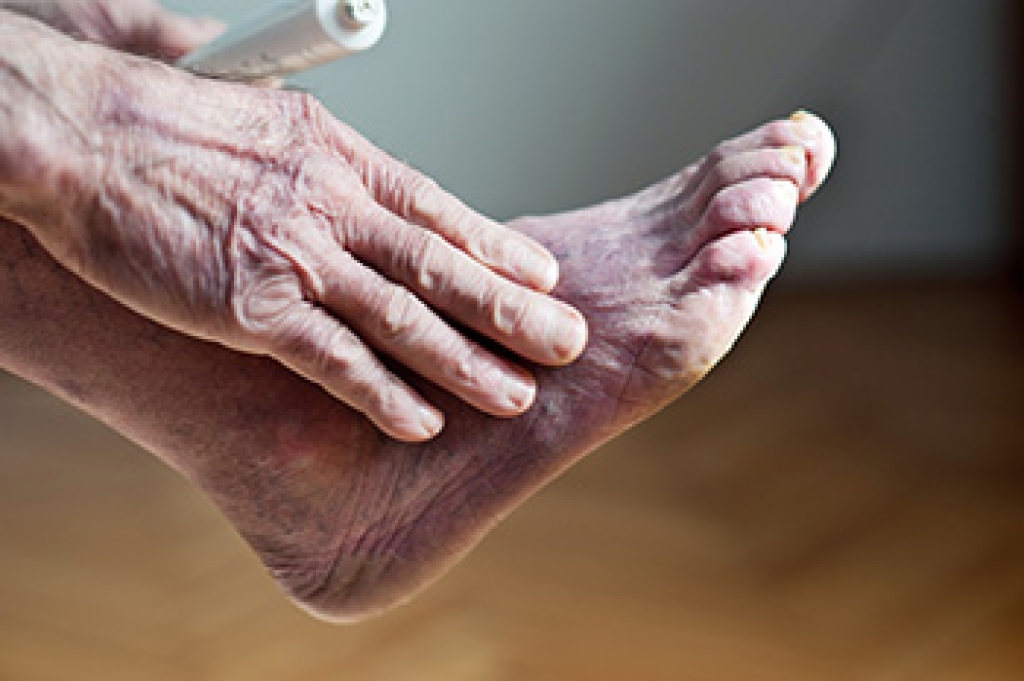
Read more about Everything You Need to Know About Gout

Heel Pain in the Morning?

Heel pain can negatively affect your day-to-day life. Simple activities like walking can become incredibly uncomfortable or painful due to heel pain.

Don’t live with heel pain and get treated.

Warning Signs of Poor Circulation in the Feet

Poor circulation can affect how your feet feel and function each day. Blood vessels carry oxygen and nutrients throughout the body. Arteries deliver blood to the feet, while veins return it toward the heart. When arteries become narrow, the feet may receive less blood than they need. One result is calf pain while walking that improves with rest. Other warning signs include cold feet, slow-growing toenails, and wounds that heal poorly. Some people notice shiny skin or reduced hair growth on their toes. These changes deserve attention because circulation problems can affect both comfort and foot health.

Problems with veins can also affect the legs and feet. When tiny valves inside veins weaken, blood can collect in the legs instead of flowing upward efficiently. This can cause swelling, skin discoloration, or bulging veins. Poor circulation has several possible causes. Diabetes, high blood pressure, and high cholesterol can increase the risk of narrowed arteries. Smoking also damages blood vessels and raises circulation risks. Not everyone experiences obvious symptoms, so changes in walking ability should not be dismissed as normal aging. A podiatrist reviews your symptoms and examines your feet for signs of reduced blood flow.

A podiatrist can check pulses in the feet and assess skin temperature, color, and healing. Testing may compare blood pressure at the ankle with pressure in the arm. This helps identify narrowing in the arteries. A podiatrist can also monitor sores and recommend shoes that reduce pressure on vulnerable areas. Treatment planning depends on the cause and severity of circulation problems. Prompt evaluation is important when a foot becomes suddenly cold, pale, or severely painful. Ongoing circulation concerns deserve careful follow-up. If you have symptoms of poor circulation, it is suggested that you schedule an appointment with a podiatrist for diagnosis and treatment.

Poor circulation is a serious condition and needs immediate medical attention. If you have any concerns with poor circulation in your feet contact Lesly Honore, MD, DPM of New York. Our doctor will treat your foot and ankle needs.

Poor Circulation in the Feet

Poor blood circulation in the feet and legs is can be caused by peripheral artery disease (PAD), which is the result of a buildup of plaque in the arteries.

Plaque buildup or atherosclerosis results from excess calcium and cholesterol in the bloodstream. This can restrict the amount of blood which can flow through the arteries. Poor blood circulation in the feet and legs are sometimes caused by inflammation in the blood vessels, known as vasculitis.

Causes

Lack of oxygen and oxygen from poor blood circulation restricts muscle growth and development. It can also cause:

  • Muscle pain, stiffness, or weakness 
  • Numbness or cramping in the legs
  • Skin discoloration
  • Slower nail & hair growth
  • Erectile dysfunction

Those who have diabetes or smoke are at greatest risk for poor circulation, as are those who are over 50. If you have poor circulation in the feet and legs it may be caused by PAD and is important to make changes to your lifestyle in order to reduce risk of getting a heart attack or stroke. Exercise and maintaining a healthy lifestyle will dramatically improve conditions.

As always, see a podiatrist as he or she will assist in finding a regimen that suits you. A podiatrist can also prescribe you any needed medication. 

If you have any questions, please feel free to contact our office located in Hempstead, NY . We offer the newest diagnostic and treatment technologies for all your foot care needs.
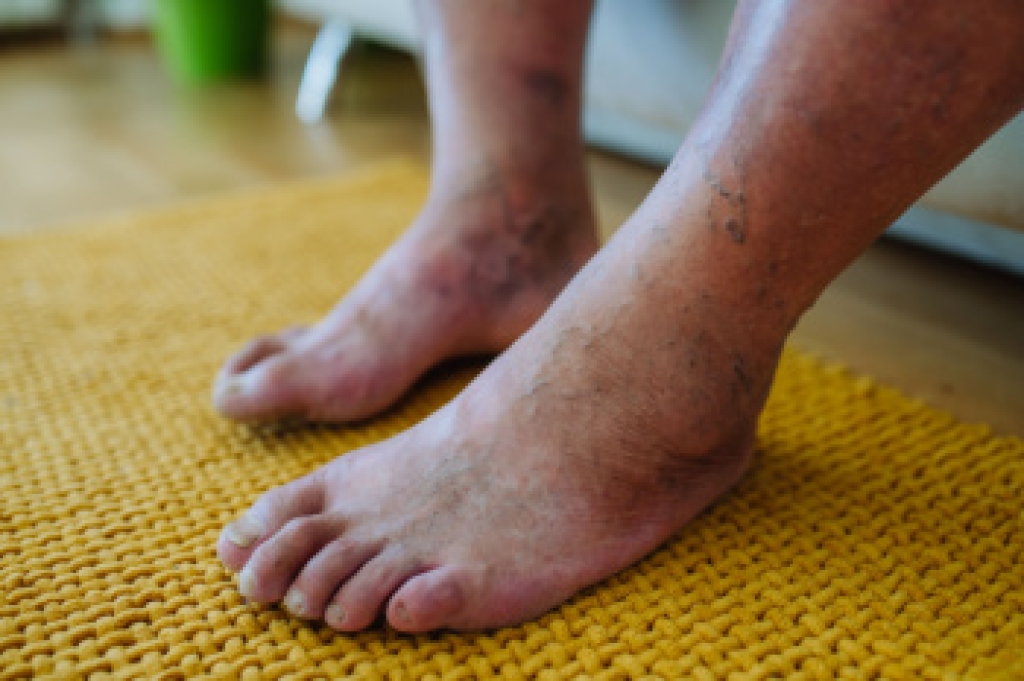
Read more about Causes, Symptoms, and Treatment of Poor Blood Circulation in the Feet

Maintaining Diabetic Foot Health

Diabetes can have a serious effect on foot health because it may damage nerves and reduce blood flow to the feet. Nerve damage can cause numbness, tingling, or pain, although some people have no noticeable symptoms. Reduced sensation can make it difficult to feel pain, heat, or cold. As a result, a cut, blister, or sore may go unnoticed and become more serious before it is treated. Poor circulation can also make wounds slower to heal. Together, nerve damage and reduced blood flow increase the risk of diabetic foot ulcers, infections, and other complications.


Changes in the feet should receive attention because early treatment can help prevent small problems from becoming more serious. Warning signs may include burning or pain in the feet, loss of sensation, and changes in foot shape. Dry or cracked skin can also signal a problem. Other concerns include sores that do not heal or changes in the color and temperature of the feet. People with diabetes may also develop corns, calluses, or toenail problems that require professional care. Regular medical foot examinations are important even when the feet feel normal, because nerve damage may reduce the ability to notice an injury.


A podiatrist plays an important role in diabetic foot care by checking the feet for problems that may otherwise be missed. A complete foot examination can include evaluating sensation and blood flow to identify complications related to diabetes. A podiatrist can also examine wounds, skin changes, or toenail concerns and determine when treatment is needed. Diabetics with nerve damage may require podiatry visits more often than once a year. Regular professional care can help identify foot problems early and reduce the risk of serious complications. If you have diabetes and notice foot pain, numbness, or a wound that is not healing, it is suggested that you consult a podiatrist for an evaluation and appropriate treatment options.

Diabetic foot care is important in preventing foot ailments such as ulcers. If you are suffering from diabetes or have any other concerns about your feet, contact Lesly Honore, MD, DPM from New York. Our doctor can provide the care you need to keep you pain-free and on your feet.

Diabetic Foot Care

Diabetes affects millions of people every year. The condition can damage blood vessels in many parts of the body, especially the feet. Because of this, taking care of your feet is essential if you have diabetes, and having a podiatrist help monitor your foot health is highly recommended.

The Importance of Caring for Your Feet

  • Routinely inspect your feet for bruises or sores.
  • Wear socks that fit your feet comfortably.
  • Wear comfortable shoes that provide adequate support.

Patients with diabetes should have their doctor monitor their blood levels, as blood sugar levels play such a huge role in diabetic care. Monitoring these levels on a regular basis is highly advised.

It is always best to inform your healthcare professional of any concerns you may have regarding your feet, especially for diabetic patients. Early treatment and routine foot examinations are keys to maintaining proper health, especially because severe complications can arise if proper treatment is not applied.

If you have any questions, please feel free to contact our office located in Hempstead, NY . We offer the newest diagnostic and treatment technologies for all your foot care needs.

Read more about Diabetic Foot Conditions

Why Your Feet Hurt and When to See a Podiatrist

Foot pain can affect the heel, arch, or other areas of the foot and can make everyday movement difficult. Because the feet support the body with every step, persistent pain can interfere with work, exercise, and other daily activities. The discomfort may feel sharp, aching, or tender, depending on its cause. Some patients also notice swelling, stiffness, or numbness. Pain can develop after an injury, but it can also result from repeated stress or changes in foot structure. Shoes that lack proper support or do not fit correctly can add pressure to sensitive areas. 

Many types of problems can cause foot pain. Plantar fasciitis can produce heel pain, while bunions can lead to soreness around the big toe joint. Arthritis can cause joint pain and stiffness. Other possible causes include stress fractures, nerve irritation, and ingrown toenails. Medical conditions that affect circulation or nerves can also contribute to discomfort in the feet. The location of the pain and the symptoms that appear with it provide important clues about the cause. Pain that continues, becomes more severe, or changes the way a person walks should be evaluated rather than ignored.

A podiatrist can determine what is causing foot pain and recommend treatment based on the diagnosis. An exam can include checking the painful area, testing joint movement, and watching how the patient walks. X-rays or other imaging tests can help identify bone or joint problems. Treatment can include custom orthotics to improve support and reduce pressure. A podiatrist can also recommend changes in shoes or provide treatments that address the specific source of pain. Surgery can correct a structural problem or repair damaged tissue when other treatment options have not provided enough relief. If you are experiencing foot pain, it is suggested that you schedule an appointment with a podiatrist for a diagnosis and appropriate treatment.

Foot Pain

Foot pain can be extremely painful and debilitating. If you have a foot pain, consult with Lesly Honore, MD, DPM from New York. Our doctor will assess your condition and provide you with quality foot and ankle treatment.

Causes

Foot pain is a very broad condition that could be caused by one or more ailments. The most common include:

  • Bunions
  • Hammertoes
  • Plantar Fasciitis
  • Bone Spurs
  • Corns
  • Tarsal Tunnel Syndrome
  • Ingrown Toenails
  • Arthritis (such as Gout, Rheumatoid, and Osteoarthritis)
  • Flat Feet
  • Injury (from stress fractures, broken toe, foot, ankle, Achilles tendon ruptures, and sprains)
  • And more

Diagnosis

To figure out the cause of foot pain, podiatrists utilize several different methods. This can range from simple visual inspections and sensation tests to X-rays and MRI scans. Prior medical history, family medical history, and any recent physical traumatic events will all be taken into consideration for a proper diagnosis.

Treatment

Treatment depends upon the cause of the foot pain. Whether it is resting, staying off the foot, or having surgery; podiatrists have a number of treatment options available for foot pain.

If you have any questions, please feel free to contact our office located in Hempstead, NY . We offer the newest diagnostic and treatment technologies for all your foot care needs.

Read more about Foot Pain
scroll to top