Foot Stress Fractures From Repetitive Impact and Overuse

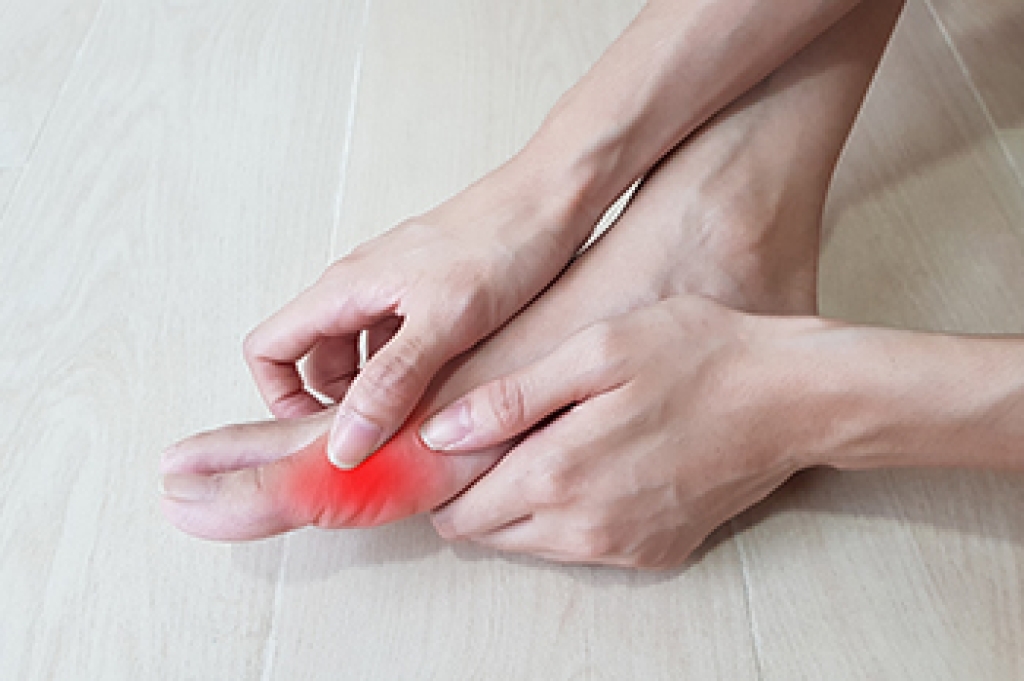
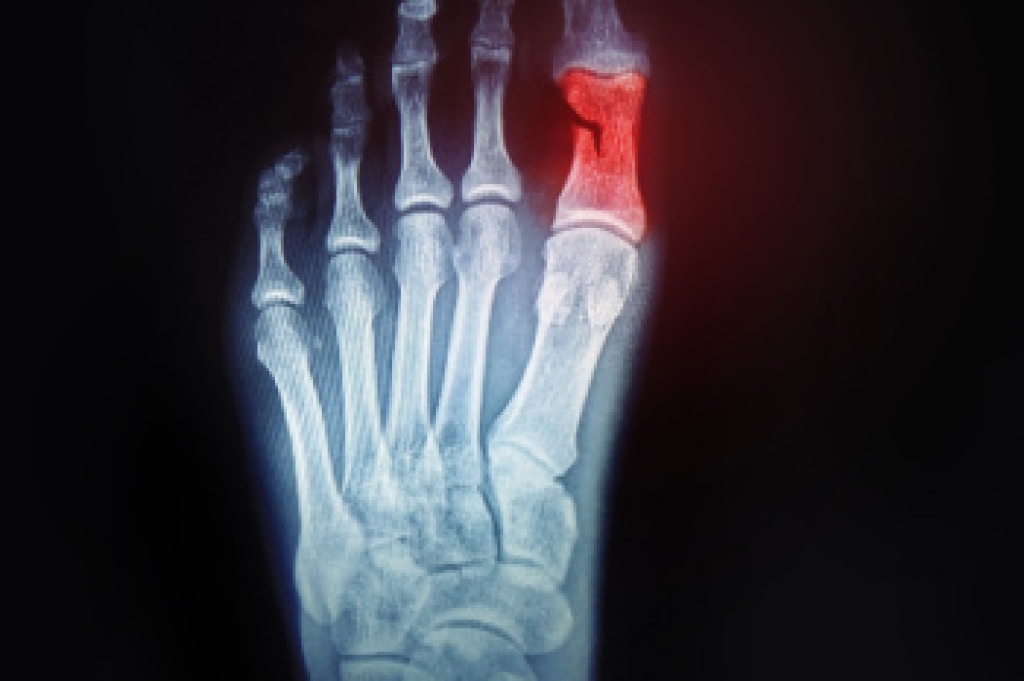
A foot stress fracture is a small crack in the bone that develops due to repetitive force rather than a single injury. These fractures commonly affect the metatarsal bones and are frequently seen in runners, athletes, and individuals who engage in high-impact activities. Unlike acute fractures, stress fractures form gradually when muscles become fatigued and are unable to absorb shock effectively. As a result, the bones take on more stress, leading to tiny cracks that can worsen without proper care.

Symptoms of a foot stress fracture often begin as mild discomfort and progress into more noticeable pain. The pain typically intensifies while walking, running, or standing for long periods of time. It may decrease with rest, but return once activity resumes. Swelling, tenderness, and localized pain in a specific area of the foot are common signs. Some individuals may also notice slight bruising or difficulty bearing weight as the condition advances. Early detection is important to prevent the fracture from becoming more severe.


The primary cause of foot stress fractures is overuse, particularly from repetitive high-impact movements, such as running, jumping, or sudden increases in activity levels. Training errors, such as increasing intensity too quickly, can place excessive strain on the bones. Wearing inadequate footwear that does not provide proper support or cushioning can also contribute to the problem. Environmental factors, including hard surfaces, may increase the amount of stress placed on the foot during activity.


Several risk factors can raise the likelihood of developing a stress fracture. Females are associated with a higher risk, particularly in athletes with hormonal imbalances or reduced bone density. Low levels of vitamin D can weaken bones and make them more susceptible to injury. Other factors include poor nutrition, improper biomechanics, and a history of previous stress fractures. If you have symptoms of a foot stress fracture, it is suggested that you consult a podiatrist for effective relief and treatment solutions.

Activities where too much pressure is put on the feet can cause stress fractures. To learn more, contact Lesly Honore, MD, DPM from New York. Our doctor can provide the care you need to keep your pain free and on your feet.

Dealing with Stress Fractures of the Foot and Ankle

Stress fractures occur in the foot and ankle when muscles in these areas weaken from too much or too little use.  The feet and ankles then lose support when walking or running from the impact of the ground. Since there is no protection, the bones receive the full impact of each step. Stress on the feet can cause cracks to form in the bones, thus creating stress fractures.

What Are Stress Fractures?

Stress fractures occur frequently in individuals whose daily activities cause great impact on the feet and ankles. Stress factors are most common among:

  • Runners                                
  • People affected with Osteoporosis
  • Tennis or basketball players
  • Gymnasts
  • High impact workouts

Symptoms

Pain from the fractures occur in the area of the fractures and can be constant or intermittent. It will often cause sharp or dull pain with swelling and tenderness. Engaging in any kind of activity which involves high impact will aggravate pain.

If you have any questions please contact our office located in Hempstead, NY . We offer the newest diagnostic and treatment technologies for all your foot and ankle needs.

Read more about Dealing with Stress Fractures of the Foot and Ankle

Stop Your Toenail Fungus

Have you noticed discoloration of your toenails? Have they become thickened or brittle? If so, you may be experiencing symptoms of a fungal nail infection. For some, having a fungal nail can be embarrassing. Overcome your embarrassment, and get treated.

Children’s Heel Pain and Sever’s Disease

Sever’s disease, also called calcaneal apophysitis, causes pain in the growth plate at the back of the heel, oftentimes affecting children. A growth plate is an area of developing bone found in children and teenagers. Repeated pulling from the Achilles tendon can irritate the growth plate, especially during periods of rapid growth. Heel pain usually becomes worse while walking, running, or participating in sports. The pain can affect one heel or both. Some children also limp or avoid placing full weight on the affected foot because of discomfort. Early evaluation helps identify the condition before pain begins to interfere with school, sports, and other daily activities.

Several factors increase the chance of developing Sever’s disease. Running and jumping sports place repeated stress on the heel. Tight calf muscles can increase pulling on the growth plate. Flat feet or high arches can also change how force is distributed across the foot. Shoes that lack proper support can place additional strain on the heel during activity. A podiatrist diagnoses the condition by discussing symptoms, examining the foot, and checking for tenderness around the back of the heel. Imaging tests are not always necessary, but they can help rule out other causes of heel pain when the diagnosis is uncertain.

A podiatrist creates a treatment plan that reduces stress on the irritated growth plate and improves comfort. Treatment includes custom orthotics, heel cushions, and  wearing supportive shoes. These options help reduce pressure and improve foot alignment while walking. Regular follow-up visits allow a podiatrist to monitor healing and adjust treatment as the child grows. Early care can reduce pain, improve mobility, and support a safe return to normal activities. Most children recover completely once the growth plate matures. If your active child has symptoms of Sever’s disease, it is suggested that you schedule an appointment with a podiatrist for effective relief and management tips. 

Sever's disease often occurs in children and teens. If your child is experiencing foot or ankle pain, see Lesly Honore, MD, DPM from New York. Our doctor can treat your child’s foot and ankle needs.

Sever’s Disease

Sever’s disease is also known as calcaneal apophysitis, which is a medical condition that causes heel pain I none or both feet. The disease is known to affect children between the ages of 8 and 14.

Sever’s disease occurs when part of the child’s heel known as the growth plate (calcaneal epiphysis) is attached to the Achilles tendon. This area can suffer injury when the muscles and tendons of the growing foot do not keep pace with bone growth. Therefore, the constant pain which one experiences at the back of the heel will make the child unable to put any weight on the heel. The child is then forced to walk on their toes.

Symptoms

Acute pain – Pain associated with Sever’s disease is usually felt in the heel when the child engages in physical activity such as walking, jumping and or running.

Highly active – Children who are very active are among the most susceptible in experiencing Sever’s disease, because of the stress and tension placed on their feet.

If you have any questions, please feel free to contact our office located in Hempstead, NY . We offer the newest diagnostic and treatment technologies for all your foot care needs.

Read more about Sever's Disease

Common Causes of Swollen Feet

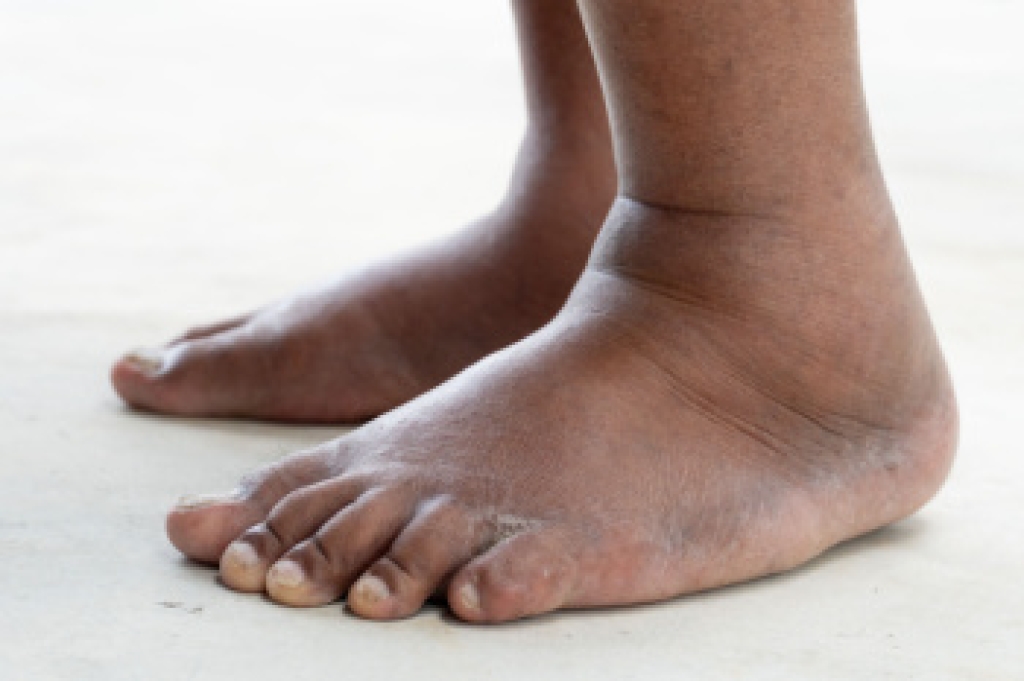
Swollen feet, also known as peripheral edema, occur when excess fluid builds up in the tissues of the lower extremities. This condition can affect one or both feet, and may develop gradually or suddenly. Common causes include prolonged sitting or standing, excess salt intake, and wearing shoes that are too small. Consuming too much liquid in a short period of time may also contribute to fluid retention in some individuals. While swelling is often temporary, it can signal an underlying issue when it persists.


Symptoms of swollen feet include visible puffiness, tight skin, and a feeling of heaviness in the lower legs. Individuals may notice difficulty fitting into shoes or indentations in the skin after pressure is applied. Discomfort, stiffness, and mild pain may also occur, especially after long periods of inactivity or standing. In some cases, swelling may worsen by the end of the day and improve with rest or elevation.


Risk factors for swollen feet include sedentary behavior, high sodium intake, and poor circulation. Individuals who sit or stand for extended periods of time may experience reduced blood flow, leading to fluid accumulation. Wearing restrictive footwear can limit circulation and increase pressure on the feet. Certain lifestyle habits and dietary patterns may further contribute to swelling, particularly when combined with limited physical activity.


Managing swollen feet involves simple but effective lifestyle changes. Elevating the feet, reducing salt intake, and choosing properly-fitted shoes can help improve circulation and reduce fluid buildup. Regular movement throughout the day also supports healthy blood flow. Recognizing the cause of swelling is important for proper care and prevention. If you have swollen feet or ankles, it is suggested that you consult a podiatrist who can determine what the cause is and offer effective relief and prevention tips.

Swollen feet can be a sign of an underlying condition. If you have any concerns, contact Lesly Honore, MD, DPM of New York. Our doctor can provide the care you need to keep you pain-free and on your feet.

Swollen feet are a common ailment among pregnant women and people who stand or sit for extended periods. Aging may increase the possibility of swollen feet and patients who are obese often notice when their feet are swelling too. There may be medical reasons why swollen feet occur:

  • Phlebitis - A condition that causes the veins to become inflamed and can also cause leg pain.
  • Liver disease - This may lead to low blood levels of albumin which is a protein. This can cause fluid in the blood to pass into the tissues and several areas of the body can become swollen.
  • Heart failure - When the heart doesn’t pump properly the blood that is normally pumped back to the heart can pool in the veins of the legs causing swollen feet.
  • Kidney disease - One of the main functions of the kidneys is releasing excess fluid in the body. This type of condition can make it difficult for the kidneys to function properly, and as a result the feet may become swollen.
  • Deep-vein thrombosis (DVT)- This is a serious condition where blood clots form in the veins of the legs. They can block the return of blood from the legs to the heart which may cause the feet to swell. It is important to be treated by a podiatrist if this condition is present.

Swollen feet can also be caused by bone and tendon conditions, including fractures, arthritis, and tendinitis. Additionally, there may be skin and toenail conditions and an infection may cause the feet to swell. Patients who take medicine to treat high blood pressure may be prone to getting swollen feet. 

Many patients elevate their feet to help relieve the swelling and this is generally a temporary remedy. When a podiatrist is consulted the reason behind the swelling can be uncovered and subsequently treated.

If you have any questions please contact our office located in Hempstead, NY . We offer the newest diagnostic and treatment technologies for all your foot and ankle needs.

Read more about Swelling of the Feet

How Safe Is Running During Pregnancy?

Pregnancy brings many changes to the body, but many women can continue running when their obstetrician says it is safe. As the baby grows, extra body weight and shifting balance place more stress on the feet, ankles, and lower legs. Hormones also loosen the body's ligaments, which are strong bands of tissue that support joints. This natural change helps prepare the body for childbirth, but it can reduce foot stability while running. Some women notice sore arches, heel pain, or ankle discomfort. Others develop swelling that changes how their shoes fit. Running in shoes that provide good support and enough room for the feet becomes even more important as pregnancy progresses. Paying attention to new pain helps prevent small problems from becoming more serious. 

A podiatrist can evaluate changes in foot structure and walking or running patterns that develop during pregnancy. The examination includes checking foot alignment, ankle stability, and areas of excess pressure. A podiatrist also looks for conditions like plantar fasciitis, tendon irritation, and stress on the joints caused by changing body weight. Custom orthotics can improve foot support and help distribute pressure more evenly. Shoe recommendations based on foot shape and running style also help improve comfort. Regular foot evaluations allow problems to be identified before they interfere with daily activities or exercise. Prompt care also reduces the chance that pain will limit healthy movement throughout pregnancy.

Running goals often change while pregnant, and comfort becomes more important than speed or distance. Many women find that adjusting their routine allows them to remain active while protecting their feet and ankles. A podiatrist works with the patient's obstetric care team to address foot concerns that develop throughout pregnancy. Professional care helps runners stay as comfortable and active as possible while protecting foot health. If you have foot pain after running while pregnant, it is suggested that you schedule an appointment with a podiatrist for a diagnosis and appropriate treatment.

Pregnant women with swollen feet can be treated with a variety of different methods that are readily available. For more information about other cures for swollen feet during pregnancy, consult with Lesly Honore, MD, DPM from New York. Our doctor will attend to all of your foot and ankle needs.

What Foot Problems Can Arise During Pregnancy?

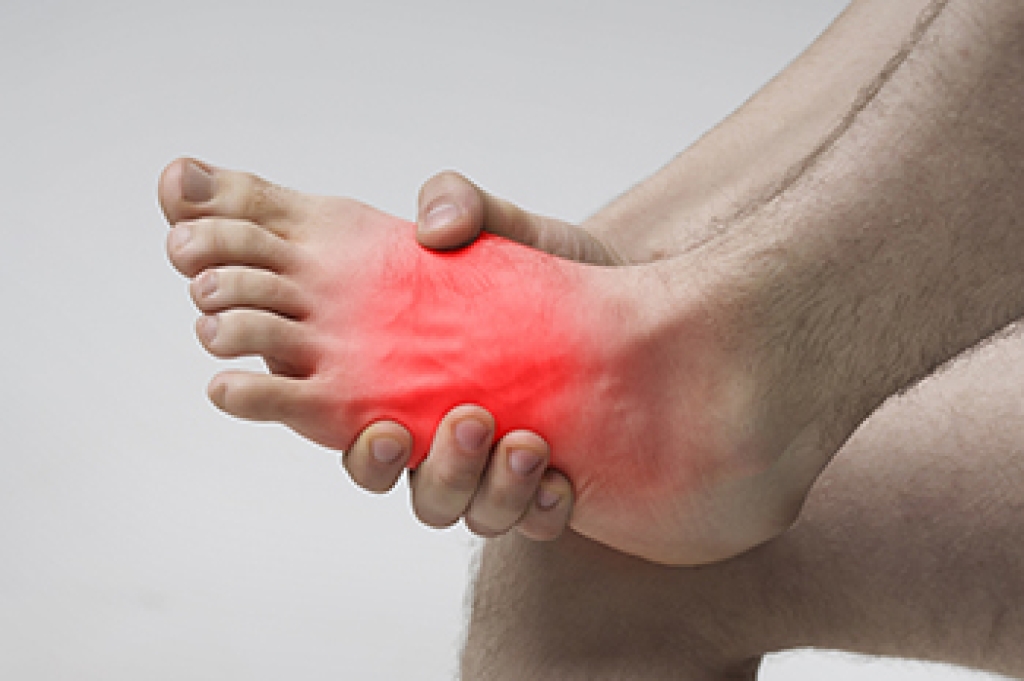
One problem that can occur is overpronation, which occurs when the arch of the foot flattens and tends to roll inward.  This can cause pain and discomfort in your heels while you’re walking or even just standing up, trying to support your baby.  

Another problem is edema, or swelling in the extremities. This often affects the feet during pregnancy but tends to occur in the later stages. 

How Can I Keep My Feet Healthy During Pregnancy?

  • Wearing orthotics can provide extra support for the feet and help distribute weight evenly
  • Minimize the amount of time spent walking barefoot
  • Wear shoes with good arch support
  • Wear shoes that allow for good circulation to the feet
  • Elevate feet if you experience swelling
  • Massage your feet
  • Get regular, light exercise, such as walking, to promote blood circulation to the feet

If you have any questions, please feel free to contact our office located in Hempstead, NY . We offer the newest diagnostic and treatment technologies for all your foot care needs.
Read more about Pregnancy and Foot Health
scroll to top