Please call for availability of our Walk In clinic open Mon-10:00-5:00, Wednesday and Friday-1:00-7:00.

Effects of Peripheral Artery Disease on the Feet

Peripheral artery disease, or PAD, affects the blood vessels that carry blood to the legs and feet. It develops when arteries in the legs become narrowed, reducing the amount of blood that reaches nearby tissues. A common cause is atherosclerosis, which occurs when fatty material called plaque builds up along artery walls. Reduced circulation means the muscles may not receive enough blood and oxygen during activity. As PAD becomes more severe, circulation can remain limited even while a person is resting. Diabetes, high blood pressure, and high cholesterol can increase the risk of developing PAD.


Poor circulation from PAD can cause noticeable symptoms in the lower legs and feet. Pain, aching, or burning may occur during walking or exercise and improve after several minutes of rest. Some people develop numbness in the legs or feet while resting. The affected foot may also feel cool or appear pale. As the condition progresses, pain may begin with less activity and eventually occur at rest. Severe PAD can cause slow-healing sores on the feet or toes. Skin discoloration and changes in the toenails may also develop. These symptoms are important because reduced circulation can make it harder for damaged tissues to heal properly.


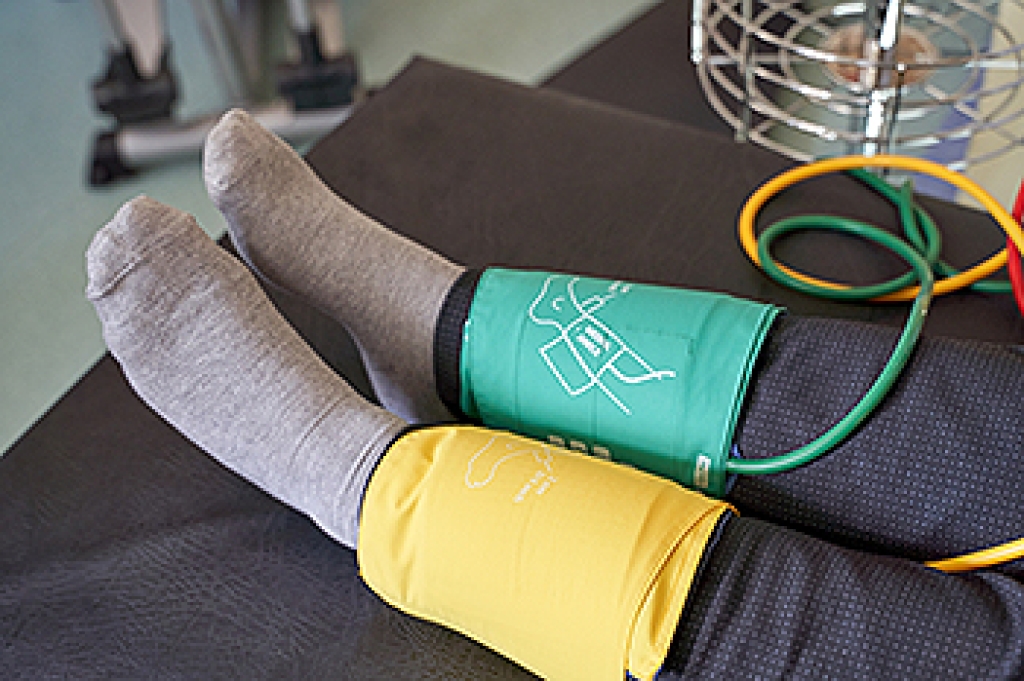
A podiatrist can examine the feet for signs that may be associated with poor circulation and determine when further medical evaluation is necessary. An examination may reveal a weak pulse, skin changes, or slow-healing sores. PAD can be evaluated with tests that compare blood pressure in the arms and legs or examine blood flow through the arteries. Because severe PAD can lead to serious complications, changes such as new foot sores should not be ignored. A foot that suddenly becomes cool, pale, or numb also requires medical attention. If poor circulation is causing persistent foot pain or noticeable changes in your feet, it is suggested that you consult a podiatrist for an evaluation and appropriate care options.

While poor circulation itself isn’t a condition; it is a symptom of another underlying health condition you may have. If you have any concerns with poor circulation in your feet contact Lesly Honore, MD, DPM of New York. Our doctor will treat your foot and ankle needs.

Poor Circulation in the Feet

Peripheral artery disease (PAD) can potentially lead to poor circulation in the lower extremities. PAD is a condition that causes the blood vessels and arteries to narrow. In a linked condition called atherosclerosis, the arteries stiffen up due to a buildup of plaque in the arteries and blood vessels. These two conditions can cause a decrease in the amount of blood that flows to your extremities, therefore resulting in pain.

Symptoms

Some of the most common symptoms of poor circulation are:

  • Numbness
  • Tingling
  • Throbbing or stinging pain in limbs
  • Pain
  • Muscle Cramps

Treatment for poor circulation often depends on the underlying condition that causes it. Methods for treatment may include insulin for diabetes, special exercise programs, surgery for varicose veins, or compression socks for swollen legs.

As always, see a podiatrist as he or she will assist in finding a regimen that suits you. A podiatrist can also prescribe you any needed medication. 

If you have any questions, please feel free to contact our office located in Hempstead, NY . We offer the newest diagnostic and treatment technologies for all your foot care needs.
Read more about Causes Symptoms and Treatment for Poor Circulation in the Feet

Broken Toe Symptoms and Treatment Options

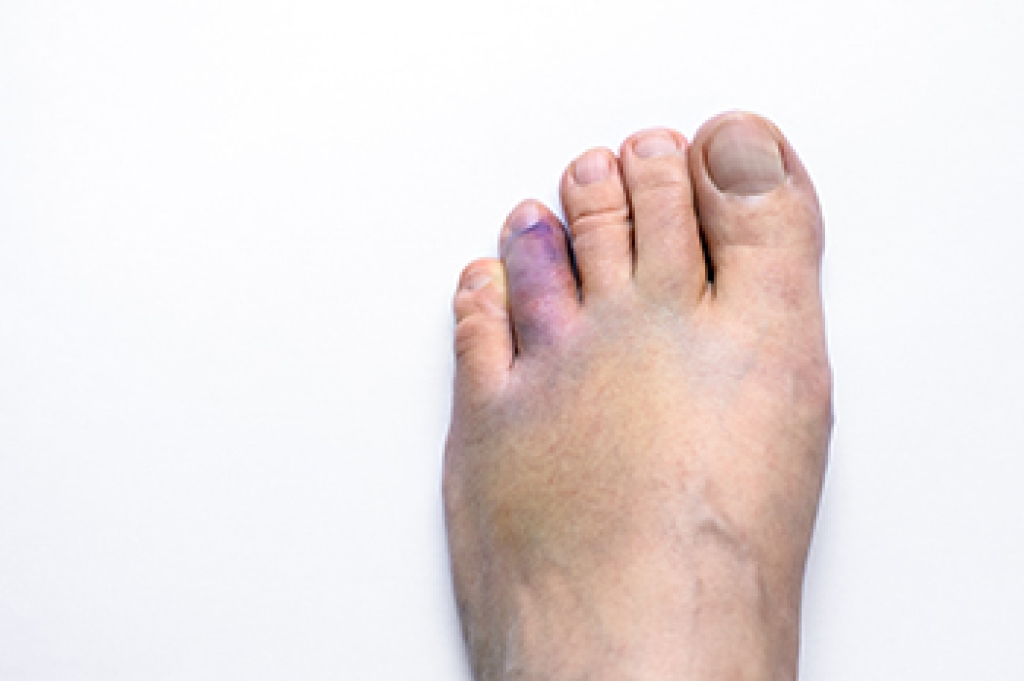
A broken toe occurs when one of the bones in a toe becomes fractured. This can happen after a direct impact, a fall, or an accident that places too much force on the toe. Pain and swelling can develop soon after the injury. Bruising can also appear, and the toe may be difficult to move. Some patients have trouble putting weight on the foot because movement can increase discomfort. The severity of a broken toe depends on which bone is affected and the type of fracture. A podiatrist can examine the toe and determine whether the injury needs additional evaluation or treatment.

A podiatrist can assess the injured toe and determine whether the bone is positioned correctly. Some broken toes can heal with support that keeps the toe stable while the bone heals. A more serious fracture can require a different treatment approach. A podiatrist can also monitor healing during follow-up visits and check for problems with movement, pain, or swelling. Most broken toes heal within several weeks, although the exact healing time depends on the injury. Follow-up care can help confirm that the toe is healing properly and that its position remains stable.

Certain symptoms can signal a more serious problem with a broken toe. Severe pain, a toe that becomes pale or cool, or changes in color should receive prompt evaluation. Numbness, tingling, or weakness can also indicate that the injury is affecting normal nerve function. Increasing pain and swelling can be another reason to have the toe examined. A podiatrist can evaluate these symptoms and determine the appropriate course of treatment. Professional care can also help address problems that could affect the toe’s movement or function. If you have fractured your toe, it is suggested that you schedule an appointment with a podiatrist for effective relief and treatment solutions.

Broken toes may cause a lot of pain and should be treated as soon as possible. If you have any concerns about your feet, contact Lesly Honore, MD, DPM from New York. Our doctor will treat your foot and ankle needs.

What Is a Broken Toe?

A broken toe occurs when one or more of the toe bones of the foot are broken after an injury. Injuries such as stubbing your toe or dropping a heavy object on it may cause a toe fracture.

Symptoms of a Broken Toe

  • Swelling
  • Pain (with/without wearing shoes)
  • Stiffness
  • Nail Injury

Although the injured toe should be monitored daily, it is especially important to have a podiatrist look at your toe if you have severe symptoms. Some of these symptoms include worsening or new pain that is not relieved with medication, sores, redness, or open wounds near the toe.

If you have any questions please feel free to contact our office located in Hempstead, NY . We offer the newest diagnostic tools and technology to treat your foot and ankle needs.

Read more about What to Know About a Broken Toe

Understanding Pronation Problems in Runners

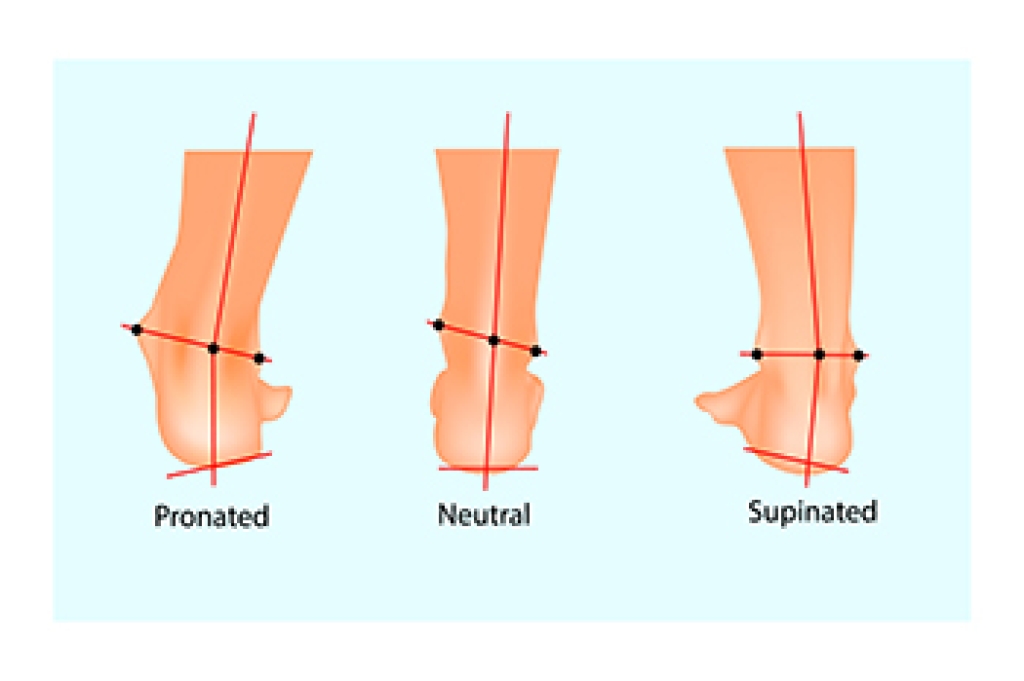
Pronation is the natural inward rolling motion of the foot as it lands while running. This movement absorbs shock and helps the foot adjust to the ground. Problems can develop when the foot rolls inward too far, called overpronation. The foot can also roll inward too little, known as underpronation or supination. Either pattern can change how force travels through the feet, ankles, and legs. Some runners experience no symptoms, while others develop arch, heel, or ankle pain. These may also affect the knees or shins as the body adjusts to poor foot movement.

Several factors can contribute to pronation problems in runners. Flat feet, high arches, and weak foot muscles can affect how the feet move. Running form and training habits can also place added stress on areas. Shoes that lack proper support or do not match a runner’s foot type can worsen discomfort. Signs include uneven shoe wear, repeated foot injuries, and pain after exercise. However, shoe wear alone cannot confirm an abnormal gait. A podiatrist can watch the patient walk or run and examine the foot’s structure. This evaluation can show whether pronation contributes to pain or another condition is responsible.

Treatment depends on symptoms, foot structure, and activity level. A podiatrist can recommend supportive running shoes with suitable cushioning. Custom orthotics may be prescribed to improve foot alignment and distribute pressure more evenly. The podiatrist can also assess training patterns and suggest safe changes to running distance or intensity. When an injury is present, treatment can focus on reducing pressure and protecting the area. Follow-up visits allow the podiatrist to check whether symptoms and movement have improved. Addressing pronation problems can help runners move efficiently and reduce stress on the feet. It can lower the risk of repeated pain that interrupts training. If you have foot pain during or after running, it is suggested that you schedule an appointment with a podiatrist for a diagnosis and appropriate treatment.

If you have any concerns about your feet, contact Lesly Honore, MD, DPM from New York. Our doctor can provide the care you need to keep you pain-free and on your feet.

Biomechanics in Podiatry

Podiatric biomechanics is a particular sector of specialty podiatry with licensed practitioners who are trained to diagnose and treat conditions affecting the foot, ankle and lower leg. Biomechanics deals with the forces that act against the body, causing an interference with the biological structures. It focuses on the movement of the ankle, the foot and the forces that interact with them.

A History of Biomechanics

  • Biomechanics dates back to the BC era in Egypt where evidence of professional foot care has been recorded.
  • In 1974, biomechanics gained a higher profile from the studies of Merton Root, who claimed that by changing or controlling the forces between the ankle and the foot, corrections or conditions could be implemented to gain strength and coordination in the area.

Modern technological improvements are based on past theories and therapeutic processes that provide a better understanding of podiatric concepts for biomechanics. Computers can provide accurate information about the forces and patterns of the feet and lower legs.

Understanding biomechanics of the feet can help improve and eliminate pain, stopping further stress to the foot.

If you have any questions please feel free to contact our office located in Hempstead, NY . We offer the newest diagnostic and treatment technologies for all your foot and ankle needs.

Read more about The Importance of Biomechanics in Podiatry

Foot Pain From Lupus

Foot pain from lupus is a common concern for individuals living with this chronic autoimmune condition. Lupus occurs when the immune system mistakenly attacks healthy tissues, including joints, blood vessels, and nerves in the feet. This can lead to inflammation, reduced circulation, and tissue damage. Many patients experience persistent discomfort that affects mobility and quality of life. Understanding how lupus impacts the feet is essential for early intervention and long term care. Foot pain related to lupus may also overlap with other conditions such as peripheral neuropathy or Raynaud related circulation changes.

Symptoms of foot pain from lupus often include swelling, numbness, and cold feet. Some individuals notice color changes in the toes, especially in response to cold temperatures or stress. Joint stiffness, burning sensations, and tenderness in the soles are also reported. These symptoms may come and go or worsen during lupus flares. Cold sensitivity is especially important, as reduced blood flow can increase discomfort and raise the risk of tissue injury. Paying attention to early warning signs can help prevent complications.

Several risk factors contribute to lupus-related foot pain. These include long standing autoimmune activity, poor circulation, and improper footwear. Cold environments and prolonged standing can worsen symptoms. Causes are primarily linked to inflammation of joints and blood vessels, as well as nerve irritation. Damage to small blood vessels can reduce oxygen supply to tissues, leading to cold feet and delayed healing. This makes proper foot care a critical part of managing lupus.

If you have lupus, caring for your feet involves simple, but consistent habits. Keeping feet clean and dry helps prevent infection. Wearing properly fitted, supportive shoes reduces pressure and improves alignment. Protecting feet from extreme temperatures is essential, especially in cold weather. Regular foot checks can help identify changes early. If foot pain from lupus is present, it is suggested that you consult a podiatrist for effective relief and management solutions.

Foot Pain

Foot pain can be extremely painful and debilitating. If you have a foot pain, consult with Lesly Honore, MD, DPM from New York. Our doctor will assess your condition and provide you with quality foot and ankle treatment.

Causes

Foot pain is a very broad condition that could be caused by one or more ailments. The most common include:

  • Bunions
  • Hammertoes
  • Plantar Fasciitis
  • Bone Spurs
  • Corns
  • Tarsal Tunnel Syndrome
  • Ingrown Toenails
  • Arthritis (such as Gout, Rheumatoid, and Osteoarthritis)
  • Flat Feet
  • Injury (from stress fractures, broken toe, foot, ankle, Achilles tendon ruptures, and sprains)
  • And more

Diagnosis

To figure out the cause of foot pain, podiatrists utilize several different methods. This can range from simple visual inspections and sensation tests to X-rays and MRI scans. Prior medical history, family medical history, and any recent physical traumatic events will all be taken into consideration for a proper diagnosis.

Treatment

Treatment depends upon the cause of the foot pain. Whether it is resting, staying off the foot, or having surgery; podiatrists have a number of treatment options available for foot pain.

If you have any questions, please feel free to contact our office located in Hempstead, NY . We offer the newest diagnostic and treatment technologies for all your foot care needs.

Read more about Foot Pain

Ankle Fracture? Don’t Wait for Treatment

If you're suffering from an ankle fracture, professional attention shouldn't wait. Fractures may worsen over time and can make completing everyday activities incredibly difficult. See your specialist for treatment and guidance through the healing process. 

scroll to top