Understanding Types of Lisfranc Injuries

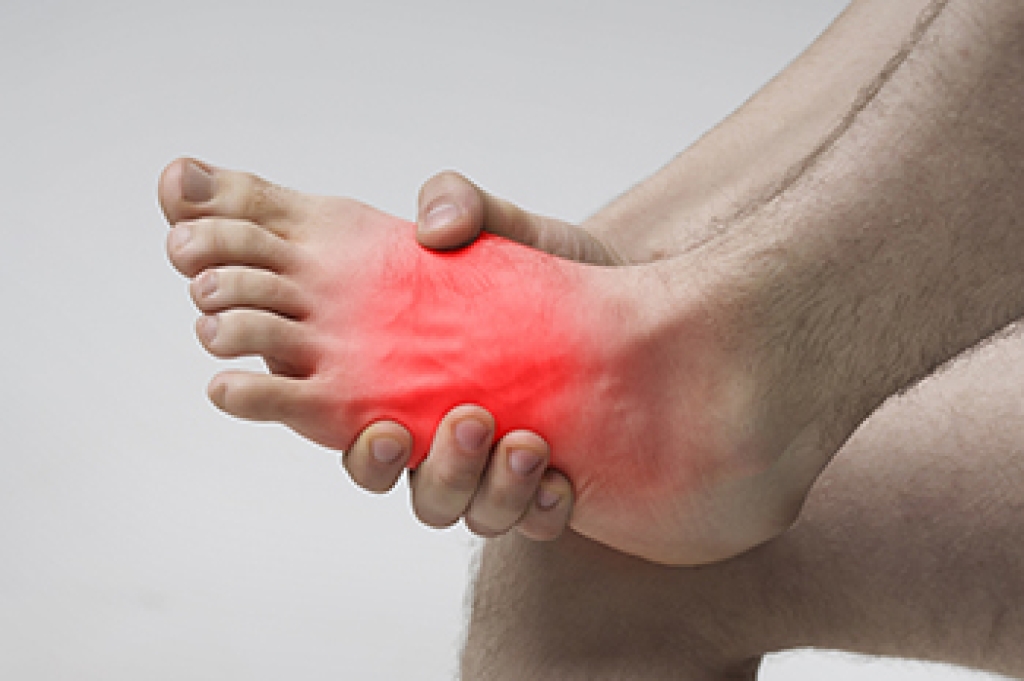
A Lisfranc injury involves the midfoot joints and ligaments that connect the forefoot to the arch, an area responsible for stability during standing and walking. Injuries range from mild to severe and may include ligament sprains, fractures of the midfoot bones, or joint dislocations. A sprain develops when supporting ligaments stretch or tear, while fractures and dislocations disturb normal bone alignment. This joint complex provides stability rather than movement, making proper healing important. Causes include low-energy twisting injuries such as slips or falls, as well as high-impact trauma. Sports that require pushing off or contact place added stress on the midfoot. More serious injuries are often linked to car accidents, falls from height, or crush injuries, and can lead to chronic pain, arthritis, or foot deformity. If you have symptoms of a Lisfranc injury in your foot, it is suggested that you make an appointment with a podiatrist for help.

Foot Pain

Foot pain can be extremely painful and debilitating. If you have a foot pain, consult with Lesly Honore, MD, DPM from New York. Our doctor will assess your condition and provide you with quality foot and ankle treatment.

Causes

Foot pain is a very broad condition that could be caused by one or more ailments. The most common include:

  • Bunions
  • Hammertoes
  • Plantar Fasciitis
  • Bone Spurs
  • Corns
  • Tarsal Tunnel Syndrome
  • Ingrown Toenails
  • Arthritis (such as Gout, Rheumatoid, and Osteoarthritis)
  • Flat Feet
  • Injury (from stress fractures, broken toe, foot, ankle, Achilles tendon ruptures, and sprains)
  • And more

Diagnosis

To figure out the cause of foot pain, podiatrists utilize several different methods. This can range from simple visual inspections and sensation tests to X-rays and MRI scans. Prior medical history, family medical history, and any recent physical traumatic events will all be taken into consideration for a proper diagnosis.

Treatment

Treatment depends upon the cause of the foot pain. Whether it is resting, staying off the foot, or having surgery; podiatrists have a number of treatment options available for foot pain.

If you have any questions, please feel free to contact our office located in Hempstead, NY . We offer the newest diagnostic and treatment technologies for all your foot care needs.

Read more about Foot Pain

When Swelling in the Feet Tells a Bigger Story

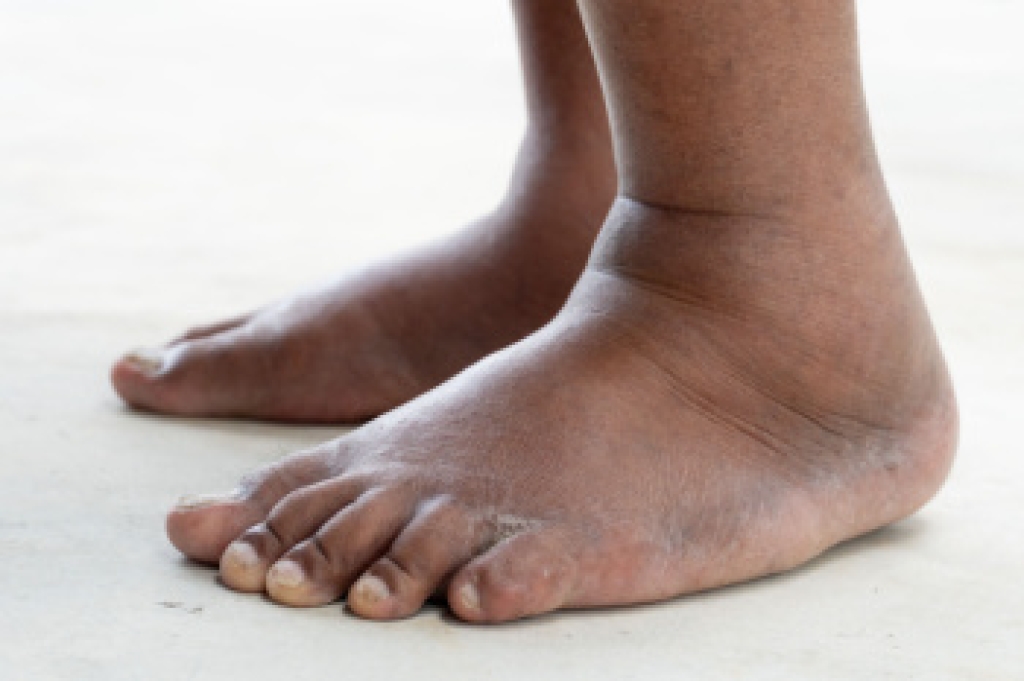
Swelling of the feet occurs when excess fluid builds up in the tissues. It is often linked to underlying medical conditions, circulation problems, prolonged standing, or pregnancy. Symptoms include puffiness, tight skin, aching, and a heavy sensation that worsens as the day goes on. The feet may look enlarged or shiny, and pressing on the skin can leave a temporary indentation. This swelling can feel uncomfortable or painful and may limit movement or make shoes feel tight. A podiatrist can help by beginning with a thorough evaluation to determine the cause, including reviewing medical history and ordering imaging or other tests when needed. Treatment may focus on reducing fluid buildup through lifestyle guidance, compression support, and targeted exercises to improve circulation. Ongoing care helps protect skin health and prevent complications. If you have swelling of the feet, it is suggested that you make an appointment with a podiatrist.

Swollen feet can be a sign of an underlying condition. If you have any concerns, contact Lesly Honore, MD, DPM of New York. Our doctor can provide the care you need to keep you pain-free and on your feet.

Swollen feet are a common ailment among pregnant women and people who stand or sit for extended periods. Aging may increase the possibility of swollen feet and patients who are obese often notice when their feet are swelling too. There may be medical reasons why swollen feet occur:

  • Phlebitis - A condition that causes the veins to become inflamed and can also cause leg pain.
  • Liver disease - This may lead to low blood levels of albumin which is a protein. This can cause fluid in the blood to pass into the tissues and several areas of the body can become swollen.
  • Heart failure - When the heart doesn’t pump properly the blood that is normally pumped back to the heart can pool in the veins of the legs causing swollen feet.
  • Kidney disease - One of the main functions of the kidneys is releasing excess fluid in the body. This type of condition can make it difficult for the kidneys to function properly, and as a result the feet may become swollen.
  • Deep-vein thrombosis (DVT)- This is a serious condition where blood clots form in the veins of the legs. They can block the return of blood from the legs to the heart which may cause the feet to swell. It is important to be treated by a podiatrist if this condition is present.

Swollen feet can also be caused by bone and tendon conditions, including fractures, arthritis, and tendinitis. Additionally, there may be skin and toenail conditions and an infection may cause the feet to swell. Patients who take medicine to treat high blood pressure may be prone to getting swollen feet. 

Many patients elevate their feet to help relieve the swelling and this is generally a temporary remedy. When a podiatrist is consulted the reason behind the swelling can be uncovered and subsequently treated.

If you have any questions please contact our office located in Hempstead, NY . We offer the newest diagnostic and treatment technologies for all your foot and ankle needs.

Read more about Swelling of the Feet

Improving Ankle Strength With Exercise

Weak ankle muscles and reduced joint control can contribute to repeated sprains, instability, and discomfort along the foot and lower leg. Structured ankle strengthening exercises focus on improving muscle endurance, joint awareness, and controlled movement around the ankle joint. These exercises often target muscles that support side to side motion, forward movement, and stability during weight-bearing tasks. Improving ankle strength can also enhance coordination between the foot and lower leg, helping the body respond more effectively to uneven surfaces or sudden changes in direction. A podiatrist can evaluate ankle alignment, walking patterns, and muscle imbalances that may limit progress. Based on this assessment, a podiatrist may recommend specific exercises, supportive devices, or adjustments to activity demands to improve ankle function safely. For help in strengthening weak ankles, it is suggested that you make an appointment with a podiatrist for an exam, diagnosis, and treatment.

Exercising your feet regularly with the proper foot wear is a great way to prevent injuries and build strength. If you have any concerns about your feet, contact Lesly Honore, MD, DPM from New York. Our doctor can provide the care you need to keep you pain-free and on your feet.

Exercise for Your Feet

Exercise for your feet can help you gain strength, mobility and flexibility in your feet. They say that strengthening your feet can be just as rewarding as strengthening another part of the body. Your feet are very important, and we often forget about them in our daily tasks. But it is because of our feet that are we able to get going and do what we need to. For those of us fortunate enough to not have any foot problems, it is an important gesture to take care of them to ensure good health in the long run.

Some foot health exercises can include ankle pumps, tip-toeing, toe rises, lifting off the floor doing reps and sets, and flexing the toes. It is best to speak with Our doctor to determine an appropriate regimen for your needs. Everyone’s needs and bodies are different, and the activities required to maintain strength in the feet vary from individual to individual. 

Once you get into a routine of doing regular exercise, you may notice a difference in your feet and how strong they may become.

If you have any questions, please feel free to contact our office located in Hempstead, NY . We offer the newest diagnostic and treatment technologies for all your foot care needs.

Read more about Exercise for Your Feet

Reminder: When Was the Last Time...?

Custom orthotics, or shoe inserts, should be periodically replaced. Orthotics must fit properly to give you the best results. Protect your feet and ankles!

Knowing When You Need New Running Shoes

Running shoes gradually lose their ability to protect the feet, and mileage is one of the most reliable ways to judge when replacement is needed. For many runners, shoes begin to break down between 300 and 500 miles, depending on body weight, running style, and surface. Even before visible damage appears, cushioning and stability can weaken, placing more stress on the feet and ankles. Other warning signs include uneven sole wear, reduced traction, heel breakdown, or new soreness during or after runs. Keeping a simple log of mileage can help runners avoid using shoes beyond their effective lifespan. A podiatrist can examine foot structure, walking and running mechanics, and shoe wear patterns to determine whether worn footwear is contributing to discomfort. They can also provide guidance on shoe selection and support needs based on activity level. If you experience foot pain after running, it is suggested that you make an appointment with a podiatrist for an exam and treatment options.

Exercising your feet regularly with the proper foot wear is a great way to prevent injuries. If you have any concerns about your feet, contact Lesly Honore, MD, DPM of New York. Our doctor will treat your foot and ankle needs.

How to Prevent Running Injuries

Many common running injuries are caused by overuse and overtraining. When the back of the kneecap starts wearing out and starts causing pain in your knee, this is commonly referred to as runner’s knee. Runner’s knee is a decrease in strength in your quadriceps and can occur if you’re not wearing properly fitted or supporting shoes. To prevent runner’s knee, focusing on hip strengthening is a good idea, as well as strengthening your quads to keep the kneecaps aligned.

What Are Some Causes of Running Injuries? 
- One cause of a common running injury is called iliotibial band syndrome.
- Plantar fasciitis is also another common injury.
- Stress fractures can occur from overtraining, lack of calcium, or even your running style.

Best Ways to Prevent Running Injuries
- Wear footwear that fits properly and suits your running needs.
- Running shoes are the only protective gear that runners have to safeguard them from injury.
- Make a training schedule. Adding strengthening exercises as well as regular stretching can help keep you strong and limber and can lessen the possibility of injuries.
- Stretching keeps muscles limber; this will help you gain better flexibility.

If you have any questions, please feel free to contact our office located in Hempstead, NY . We offer the newest diagnostic and treatment technologies for all your foot care needs.

Read more about How to Prevent Running Injuries
scroll to top